Romantasy vs. Fantasy Romance: What's the Difference?
Dragons, magic, forbidden love, dangerous kingdoms, and morally gray love interests—what's not to love? If you've spent any time in the fantasy book community, you've probably encountered the terms romantasy and fantasy romance. But are they actually different genres, or are they just two names for the same thing?
The debate surrounding romantasy vs fantasy romance has become increasingly popular, especially with the rise of bestselling authors like Sarah J. Maas, Rebecca Yarros, and Jennifer L. Armentrout.
Although the terms are frequently used interchangeably, some readers and writers distinguish them based on one important question: Is the romance the heart of the story, or is it part of a larger fantasy adventure?
Let's explore the differences, similarities, and everything you need to know before choosing your next magical read.
What Is Romantasy?
Romantasy is a combination of the words romance and fantasy. As the name suggests, it blends romantic relationships with fantastical worlds filled with magic, mythical creatures, supernatural powers, and extraordinary adventures.
In romantasy, both the romantic relationship and the fantasy storyline typically play significant roles. Readers aren't simply following two characters falling in love; they're also exploring magical kingdoms, political conflicts, ancient prophecies, and dangerous quests.
The romance often develops alongside the larger fantasy plot, influencing the characters' choices and sometimes determining the fate of entire kingdoms.
Common Tropes in Romantasy
Enemies to lovers
Slow-burn romance
Forbidden love
Forced proximity
Fated mates
Magical bonds
Political marriages
Morally gray love interests
One of the reasons romantasy has become so popular is its ability to combine the emotional intensity of romance with the immersive world-building of epic fantasy.
Popular Romantasy Books
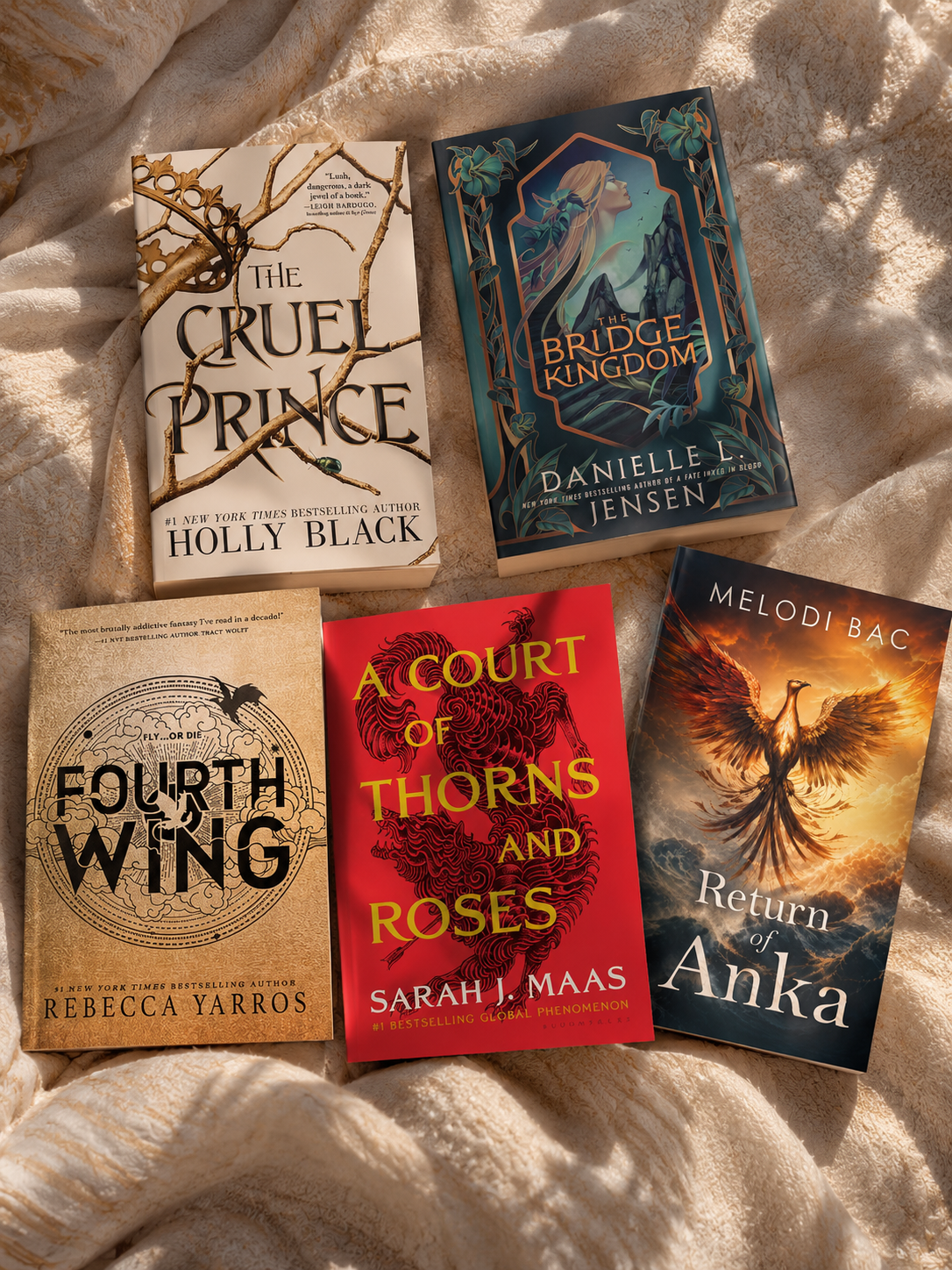
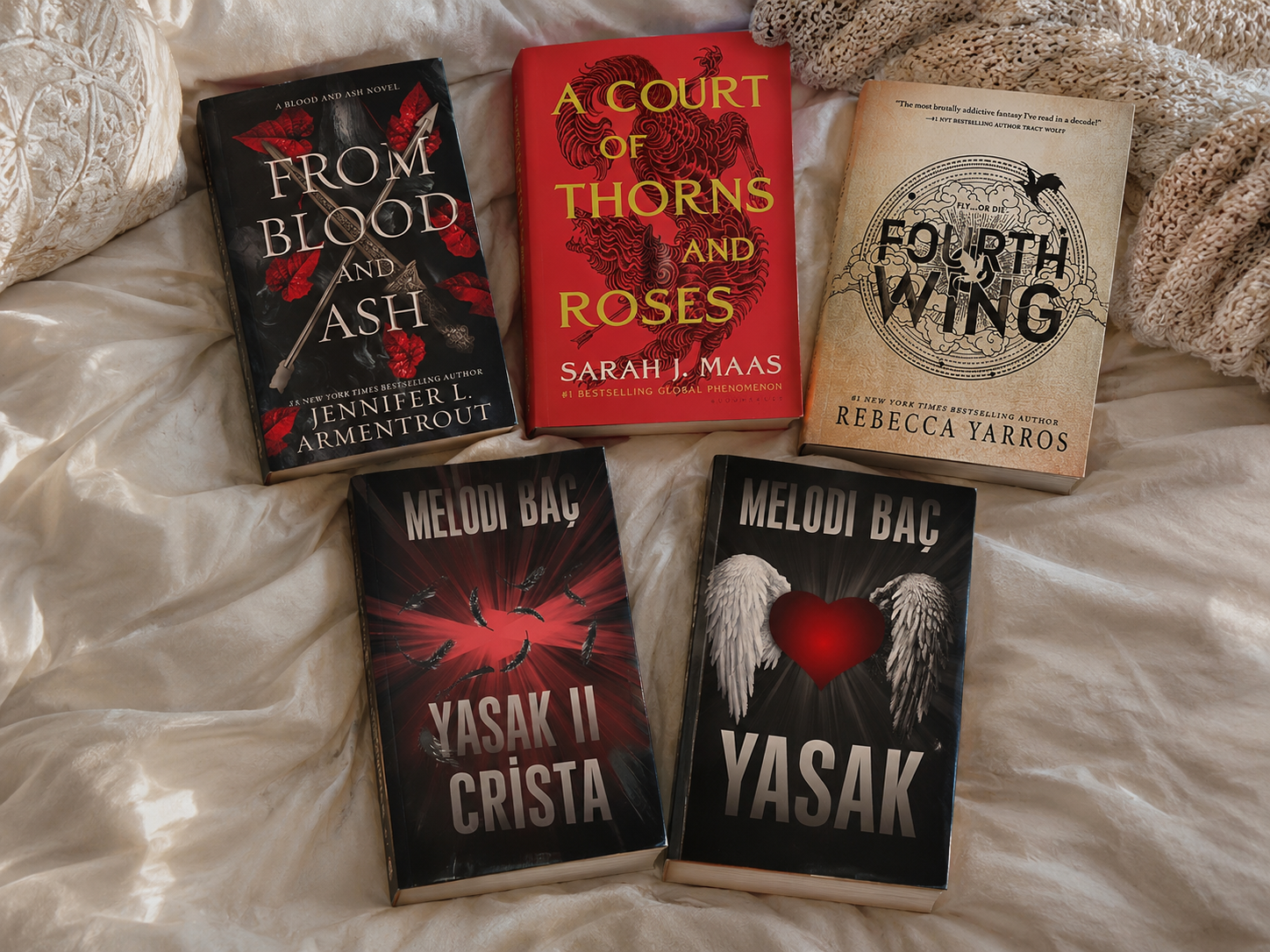
Fourth Wing by Rebecca Yarros
Set in a brutal military academy where students train to become dragon riders, Fourth Wing combines deadly competitions, political secrets, dragons, and an intense enemies-to-lovers romance.
A Court of Thorns and Roses by Sarah J. Maas
Beginning with a young huntress who enters the dangerous world of the fae, this series evolves into an expansive fantasy saga filled with magical courts, ancient powers, political intrigue, and unforgettable romantic relationships.
From Blood and Ash by Jennifer L. Armentrout
A fantasy adventure featuring forbidden romance, divine mysteries, betrayal, and a heroine whose destiny is far more complicated than she initially realizes.
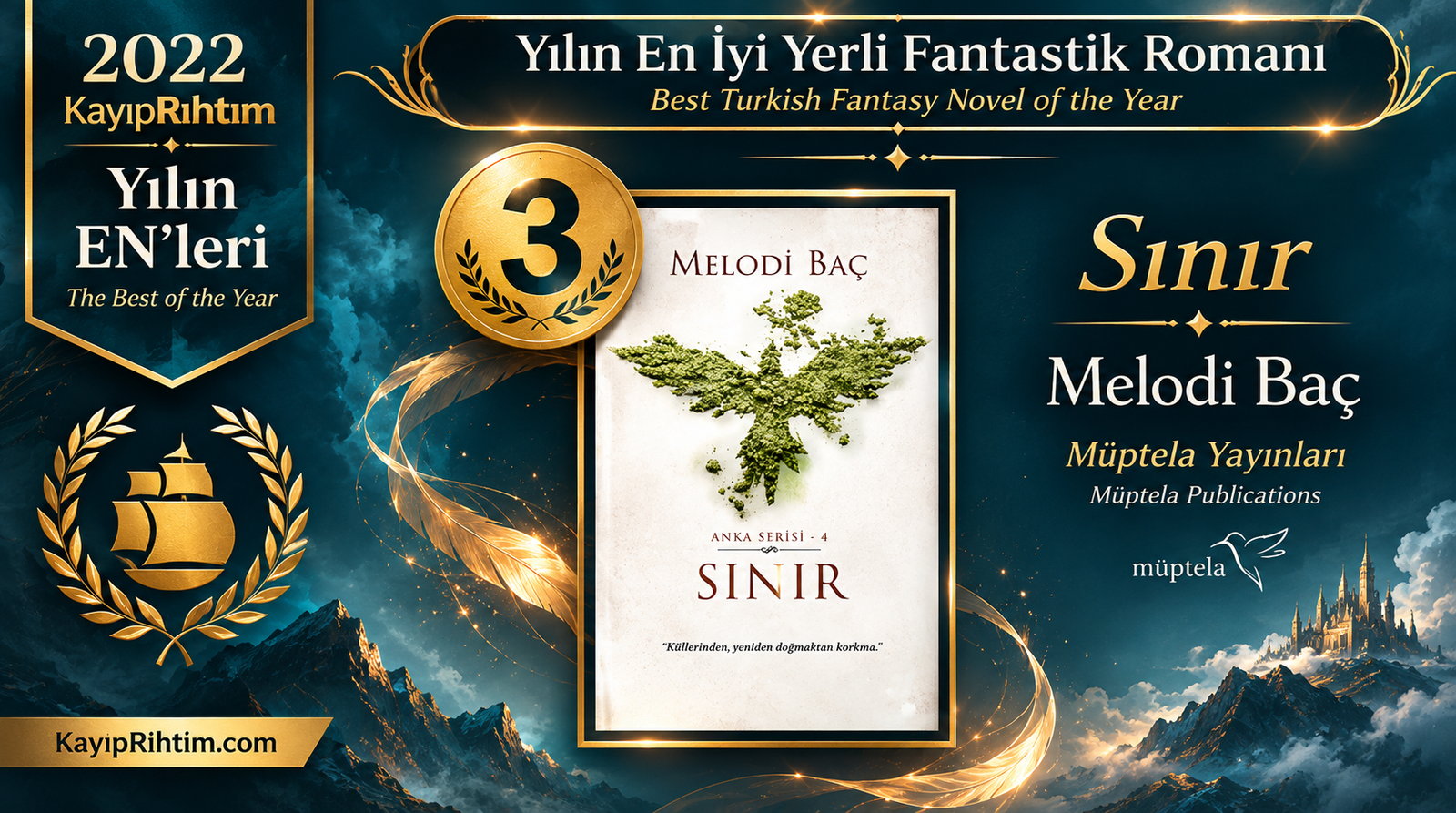
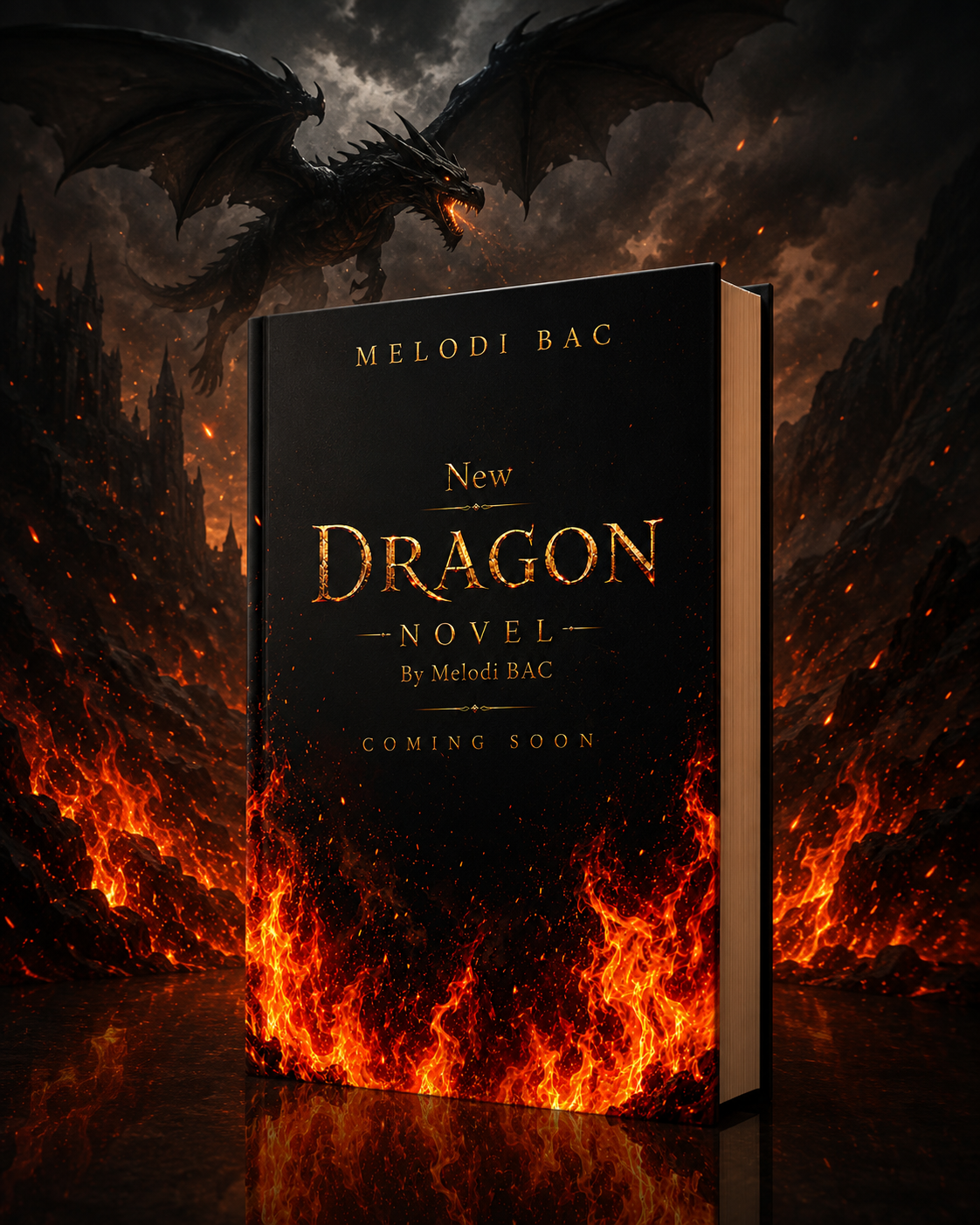
Melodi Bac's Upcoming Dragon Series
For readers who love dragons, witches, enemies-to-lovers romance, and political intrigue, Melodi Bac's upcoming adult romantasy series promises a world of dangerous magic, rival kingdoms, forbidden attraction, and ancient secrets. With a slow-burning romance at its heart and the fate of an entire kingdom at stake, this upcoming series is one to keep on your radar.
What Is Fantasy Romance?
Fantasy romance is a romantic story set in a fantasy world or featuring fantastical elements. While it shares many characteristics with romantasy, the distinction some readers make lies in the narrative's primary focus.
In fantasy romance, the romantic relationship is the central storyline. Magical elements, supernatural conflicts, and fantastical settings support the development of that relationship.
The story may feature dragons, witches, fae, angels, or powerful kingdoms, but the emotional journey between the romantic leads remains its defining element.
Traditional genre romance also carries an important expectation: a satisfying, optimistic romantic ending, usually a happily-ever-after (HEA) or happy-for-now (HFN). This expectation can apply to a completed romantic arc within a series rather than every individual installment.
Common Tropes in Fantasy Romance
Fated mates
Soul bonds
Forbidden relationships
Marriage of convenience
Grumpy × sunshine
Beauty and the Beast retellings
Protective supernatural love interests
Love conquers all
Fantasy romance often appeals to readers who enjoy magical settings but want the love story to take center stage.
Popular Fantasy Romance Books
Radiance by Grace Draven
An arranged marriage between two individuals from different species develops into an unexpectedly tender romance. Although the story features political tensions and a richly imagined fantasy world, the relationship is its emotional foundation.
The Undertaking of Hart and Mercy by Megan Bannen
A charming fantasy romance involving an unlikely correspondence, supernatural creatures, and two characters who gradually fall in love without realizing who is writing to them.
The Wren in the Holly Library by K. A. Linde
A fantasy romance featuring magical creatures, dangerous secrets, and an intense romantic connection set against a supernatural backdrop.
The Taboo Series by Melodi Bac
Originally written when the author was just thirteen, Melodi Bac's Taboo Series is a young adult fantasy romance duology exploring the forbidden love between an angel and a mortal. Blending supernatural elements with an emotionally driven love story, the series explores the boundaries between two worlds and a relationship that defies them. It's an example of how fantasy romance can appeal to younger audiences without relying on explicit content.
Romantasy vs Fantasy Romance: Key Differences
So, what actually separates these two categories?
The truth is that there is no universally accepted publishing-industry definition that strictly separates romantasy from fantasy romance. Many publishers, booksellers, and readers use the terms interchangeably.
However, the following distinction can be helpful when discussing how a book balances its romantic and fantastical elements.
Feature | Romantasy | Fantasy Romance |
|---|---|---|
Primary focus | Romance and fantasy adventure | Romantic relationship |
World-building | Often extensive | Varies; supports the romance |
Main conflict | Magical, political, personal, and romantic | Primarily romantic |
Romance | Major plotline, sometimes one of several | Central plotline |
Ending | May feature cliffhangers or unresolved romance | Traditionally HEA or HFN |
Overall appeal | Epic fantasy with significant romance | Romance within a fantasy setting |
These are tendencies rather than fixed rules. A fantasy romance can have intricate world-building, and a romantasy novel can place its love story at the center of everything.
Is Romantasy Just Fantasy With Romance?
Not exactly.
Fantasy novels have included romantic relationships for centuries. However, the presence of a love story doesn't automatically make a book romantasy.
Consider a fantasy novel featuring a warrior on a quest to defeat an ancient evil. Along the way, the warrior falls in love with a fellow adventurer. The relationship might be meaningful, but if removing it wouldn't fundamentally change the story, the novel may be better described as fantasy with a romantic subplot.
In romantasy, romance usually has a more substantial influence on the narrative.
The relationship might complicate political alliances, challenge the protagonist's loyalties, awaken forbidden powers, or change the outcome of a war.
The difference isn't simply how much romance appears on the page. It's how deeply that romance shapes the story.
Does Romantasy Have to Be Spicy?
Absolutely not!
One of the biggest misconceptions about romantasy is that every book must contain explicit romantic scenes.
While some popular romantasy novels feature significant sexual content, spice is not a requirement of the genre.
Romantasy can range from completely closed-door romance to highly explicit relationships.
What matters is the role romance plays in the narrative, not how much physical intimacy appears on the page.
Readers who prefer emotional tension, stolen glances, forbidden attraction, and slow-burning relationships can enjoy romantasy just as much as those who prefer spicier stories.
Can Young Adult Books Be Romantasy or Fantasy Romance?
Absolutely! Although adult romantasy has received enormous attention in recent years, romantic fantasy stories aren't limited to adult audiences.
Young adult fantasy romance typically features younger protagonists, coming-of-age themes, first love, identity, and emotionally intense relationships. These stories may include supernatural creatures, magical kingdoms, and forbidden relationships without explicit sexual content.
For example, Melodi Bac's Taboo Series explores forbidden love between an angel and a mortal, placing the romantic relationship at the center of its supernatural story.
Meanwhile, YA fantasy novels with substantial romantic and adventure plots may also be described as romantasy.
The distinction between YA and adult fantasy romance is about intended readership, themes, and content—not whether a story qualifies as romantasy.
Can a Book Be Both Romantasy and Fantasy Romance?
Yes, and many are.
Because romantasy is a relatively flexible marketing and reader-community term, it frequently overlaps with established categories such as fantasy romance and romantic fantasy.
A book can feature an elaborate magical world, political intrigue, dangerous quests, and a central romantic relationship without fitting neatly into a single label.
For example, a novel about a witch princess forced to marry an enemy dragon prince might explore their developing relationship alongside a rebellion, a mysterious magical bloodline, and a kingdom threatened by ancient powers.
If both the romance and the fantasy conflict drive the story, readers might call it romantasy. If the love story is the primary narrative and delivers a satisfying romantic resolution, it could also be marketed as fantasy romance.
Ultimately, the categories aren't mutually exclusive.
Why Has Romantasy Become So Popular?
Romantasy offers readers something that traditional romance and fantasy don't always deliver individually: an opportunity to experience both an emotionally compelling love story and an immersive magical adventure.
Readers can fall in love with fictional characters while exploring elaborate fantasy worlds, encountering mythical creatures, and unraveling centuries-old mysteries.
Social media communities, particularly BookTok and Bookstagram, have helped popularize the term by bringing attention to stories featuring dragons, fae, witches, powerful heroines, and complicated romantic relationships.
Another major attraction is the emotional intensity of the genre.
In romantasy, falling in love might mean betraying a kingdom, challenging the gods, or risking everything a character has ever known.
The stakes aren't limited to broken hearts. Sometimes, they're the fate of an entire world.
Romantasy vs Fantasy Romance: Which Should You Read?
If you're trying to decide between romantasy and fantasy romance, consider what you want most from your next book.
Choose romantasy if you love:
Expansive magical worlds and detailed lore
Dragons, witches, fae, and supernatural powers
Political intrigue and dangerous quests
Romantic tension woven into epic adventures
High-stakes conflicts beyond the central relationship
Choose fantasy romance if you love:
Character-driven romantic relationships
Emotional intimacy and relationship development
Magical settings that enhance the love story
Romantic conflict as the main narrative focus
Satisfying romantic conclusions
Of course, there's no reason to choose only one. Some of the most beloved fantasy books combine elements of both.
Final Thoughts: Romantasy vs Fantasy Romance
The discussion surrounding romantasy vs fantasy romance ultimately comes down to storytelling priorities and reader expectations.
Romantasy is a broad term describing stories that blend fantasy and romance, often giving both elements substantial narrative importance. Fantasy romance generally places the romantic relationship at the center of the story and, in its traditional genre definition, promises an emotionally satisfying ending.
But the boundaries are flexible, and there's considerable overlap.
Whether you prefer a forbidden romance between rival kingdoms, a magical bond between destined lovers, or an epic adventure where love threatens to change the fate of the world, both categories offer unforgettable stories.
And sometimes, the best fantasy books are the ones that refuse to fit neatly into either category.
What about you? Do you prefer romance at the center of your fantasy stories, or do you love a sweeping fantasy adventure with a slow-burning romance?
@melodibac